

严格的质量控制和国际认证。

与关键地区的经过验证的供应商建立了牢固的关系。

为每家企业提供透明的定价和灵活的解决方案。
通过安全的包装和追踪实现及时的全球交付。

量身定制的产品和技术支持,以满足您的需求。

具有环保意识的运营和负责任的采购。
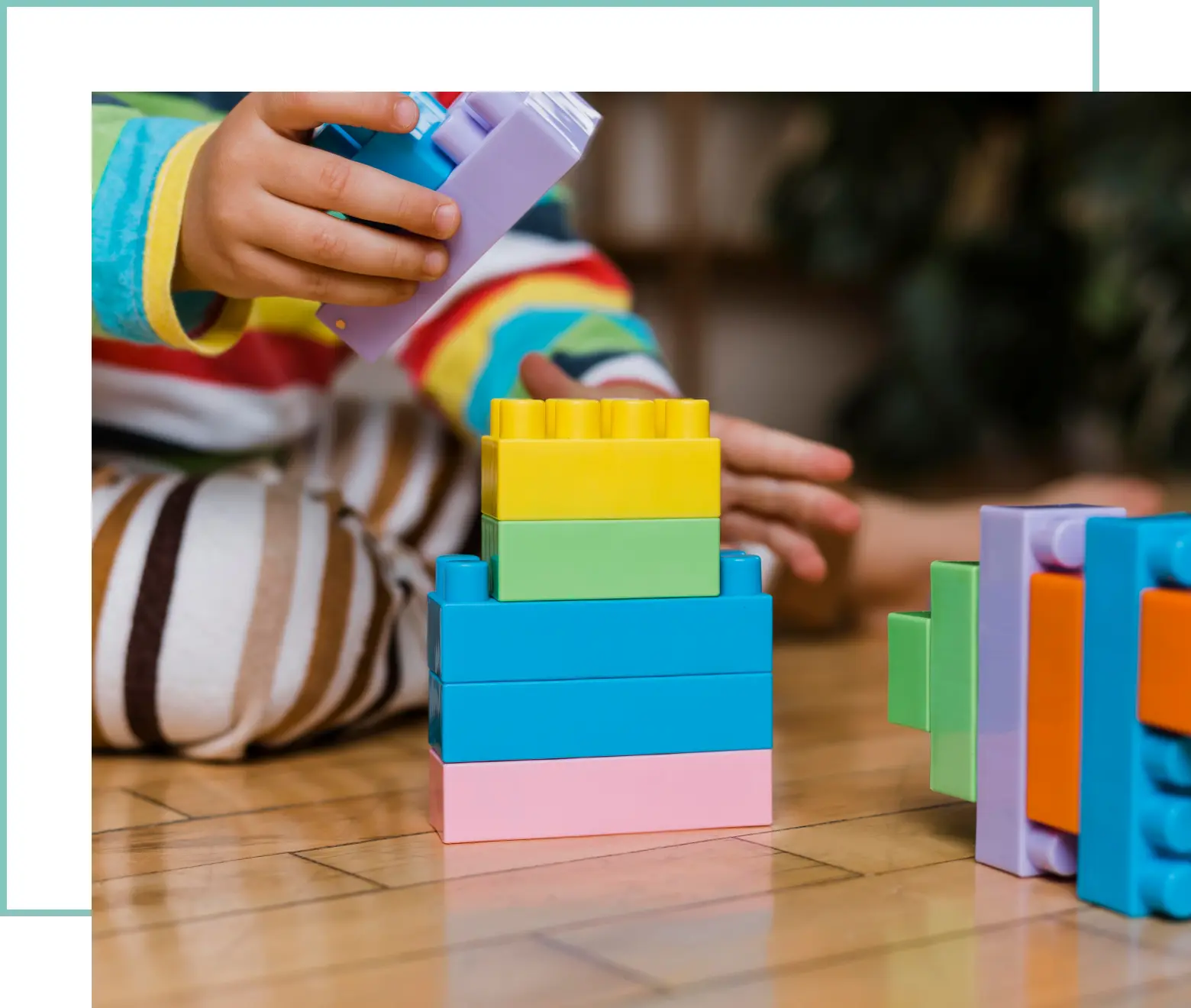
Acrylonitrile Butadiene Styrene (ABS) Acrylonitrile Butadiene Styrene (ABS) is a tough, lightweight, and impact-resistant thermoplastic polymer widely used in engineering and consumer applications. It is a copolymer made from acrylonitrile, butadiene, and styrene, combining the strength and thermal stability of acrylonitrile, the toughness of butadiene, and the rigidity of styrene. ABS is known for its durability, ease of processing, and ability to be molded into complex shapes, making it ideal for various industries. Common applications of ABS include automotive parts, electronic housings, toys like LEGO bricks, and household items. It is valued for its glossy finish and ability to be painted or coated. Although ABS is not biodegradable, it is recyclable and can be repurposed for other uses. Its relatively low cost, combined with its mechanical properties, ensures its continued popularity, though its sensitivity to UV light and poor resistance to certain chemicals are limitations.
Intermediates Intermediates are chemical compounds used as precursors in the production of various polymer materials. These intermediates, such as monomers (e.g., ethylene, propylene, and styrene), oligomers, and other reactive chemicals, play a vital role in polymerization processes. They determine the structure, properties, and applications of the resulting polymers, enabling the creation of materials ranging from flexible plastics to high-strength composites. These intermediates are widely used in industries such as packaging, automotive, construction, and textiles. By manipulating their composition and polymerization methods, manufacturers can produce polymers with tailored properties like durability, flexibility, chemical resistance, or thermal stability, meeting the diverse demands of modern industrial and consumer applications.
Nylon Nylon is a versatile synthetic polymer widely used for its strength, durability, and resistance to wear and tear. Originally developed as a substitute for silk, nylon is now found in various everyday products, from clothing and carpets to industrial ropes and automotive parts. Its ability to resist moisture and retain flexibility makes it ideal for applications requiring both toughness and comfort. In addition to its use in textiles, nylon plays a significant role in manufacturing engineering plastics. Its lightweight nature, combined with high tensile strength, makes it a preferred material for machine components, gears, and bearings. Nylon's adaptability and reliability have made it a cornerstone in both consumer and industrial products.
Others Some products related to polymers are designed for high-performance applications where strength, flexibility, and durability are critical. These products can range from everyday items like flexible packaging and footwear soles to more specialized components like automotive parts, medical devices, and electrical insulation. Polymers are often chosen for their ability to withstand harsh conditions, such as extreme temperatures or exposure to chemicals, while remaining lightweight and cost-effective. In addition to functional uses, polymers are also integral to the design of products with specific aesthetic or comfort characteristics. For example, polymers can be engineered to be soft, breathable, or waterproof, making them suitable for textiles, sportswear, or protective clothing. These materials offer versatility in their appearance and texture, while still providing the desired physical properties for consumer satisfaction and industrial reliability.
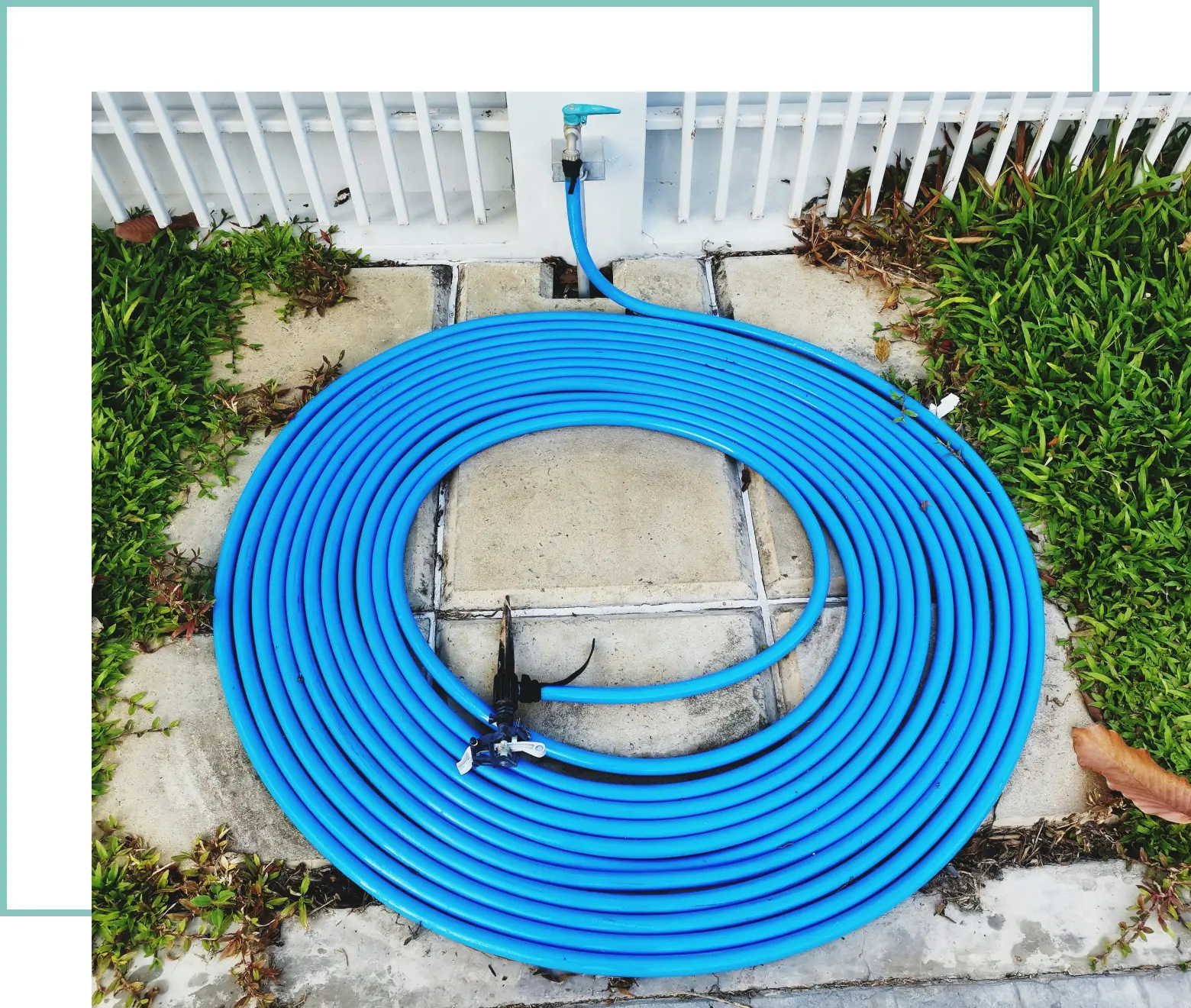
Plasticizers Plasticizers are chemical additives used to enhance the flexibility, softness, and workability of polymer materials, particularly plastics. By reducing the intermolecular forces within the polymer chains, plasticizers make otherwise rigid materials more pliable and easier to process. They are commonly added to materials like polyvinyl chloride (PVC), transforming it from a brittle, rigid polymer into a flexible material suitable for products like cables, hoses, and medical tubing. The most widely used plasticizers are phthalates, although non-phthalate alternatives are gaining popularity due to environmental and health concerns. While plasticizers improve the functionality of plastics, they can migrate out of the material over time, leading to issues like reduced performance and potential health risks. As a result, research and regulations focus on developing safer and more sustainable plasticizer options to meet both industrial demands and environmental standards.
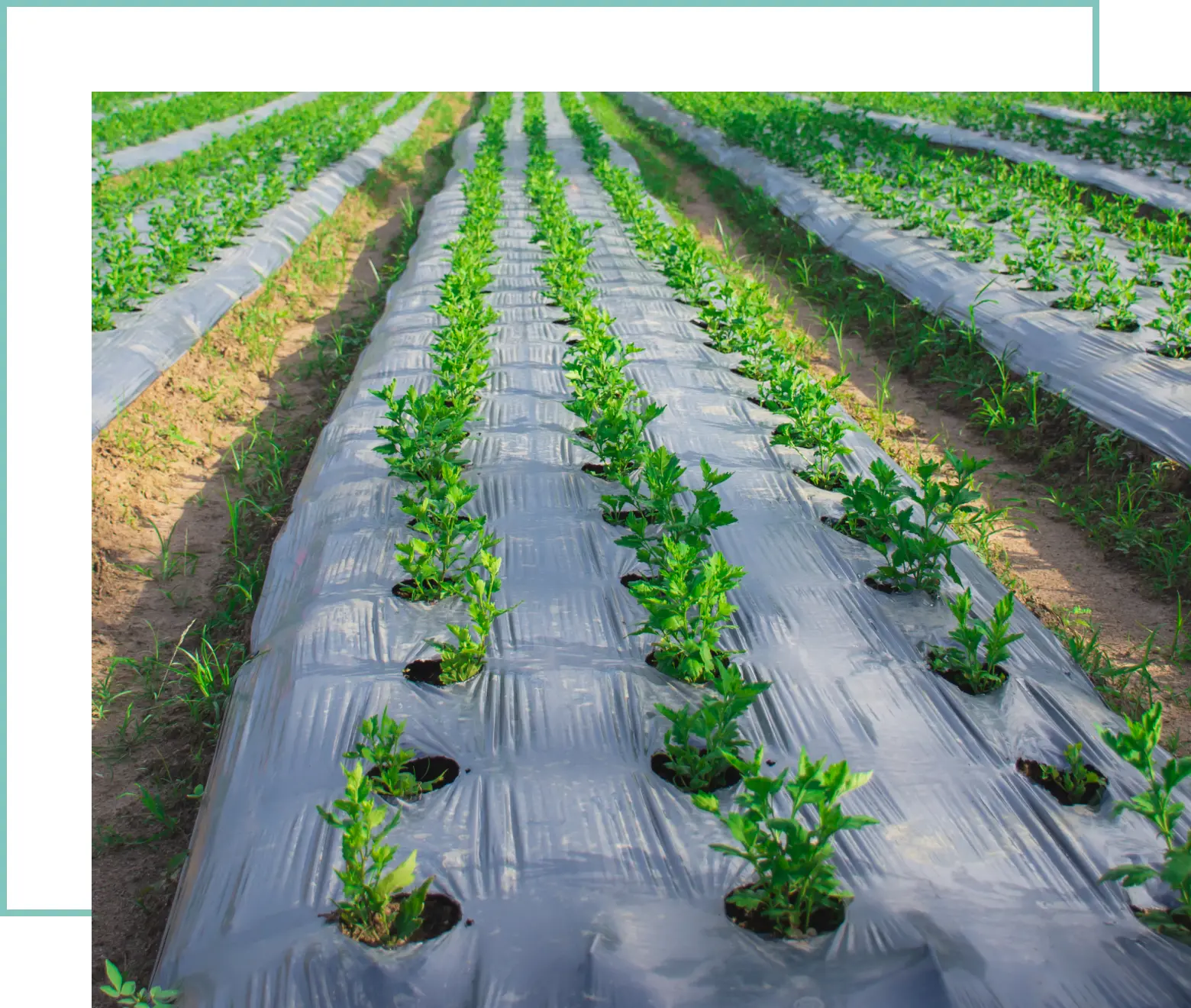
Polyethylene (PE) Polyethylene (PE) is a versatile and widely used thermoplastic polymer, derived from the polymerization of ethylene gas. It is known for its lightweight, durable, and chemically resistant properties. Polyethylene comes in various forms, such as high-density polyethylene (HDPE), low-density polyethylene (LDPE), and linear low-density polyethylene (LLDPE), each with distinct characteristics that make it suitable for specific applications. Its molecular structure ranges from highly crystalline to more amorphous, influencing its strength, flexibility, and melting point. PE is used in countless applications, including plastic bags, bottles, pipes, films, and packaging materials. Its durability, moisture resistance, and ease of processing make it a preferred choice across industries. Polyethylene is also recyclable, contributing to its sustainability appeal, although concerns about its environmental impact persist due to improper disposal and long degradation times. Its low cost and adaptability ensure it remains a cornerstone of modern manufacturing and daily life.
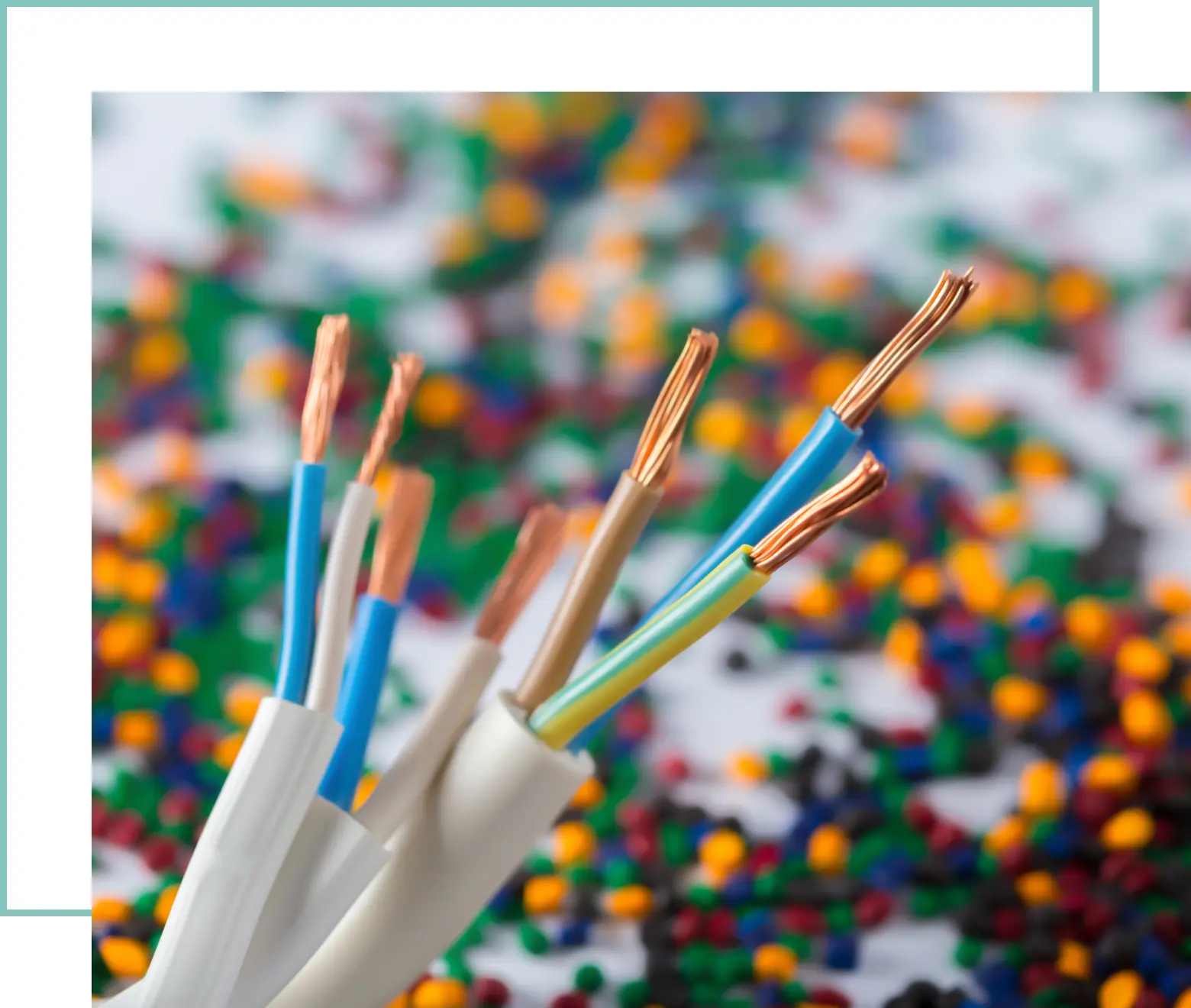
Polyethylene Terephthalate (PET) Polyethylene terephthalate (PET) is a strong, lightweight, and transparent thermoplastic polymer, belonging to the polyester family. It is synthesized through the polymerization of ethylene glycol and terephthalic acid, resulting in a material with excellent mechanical and chemical properties. PET is highly durable, resistant to moisture, and offers exceptional thermal stability, making it a popular choice for applications requiring strength and clarity. One of the most common uses of PET is in packaging, particularly for beverage bottles, food containers, and films. Its recyclability adds to its appeal, as PET can be reprocessed into new products like textiles and containers, reducing environmental impact. Additionally, its versatility extends to fibers in the textile industry, where it is known as polyester. While PET is widely regarded as a sustainable material, challenges like proper collection and recycling remain crucial for minimizing its ecological footprint.
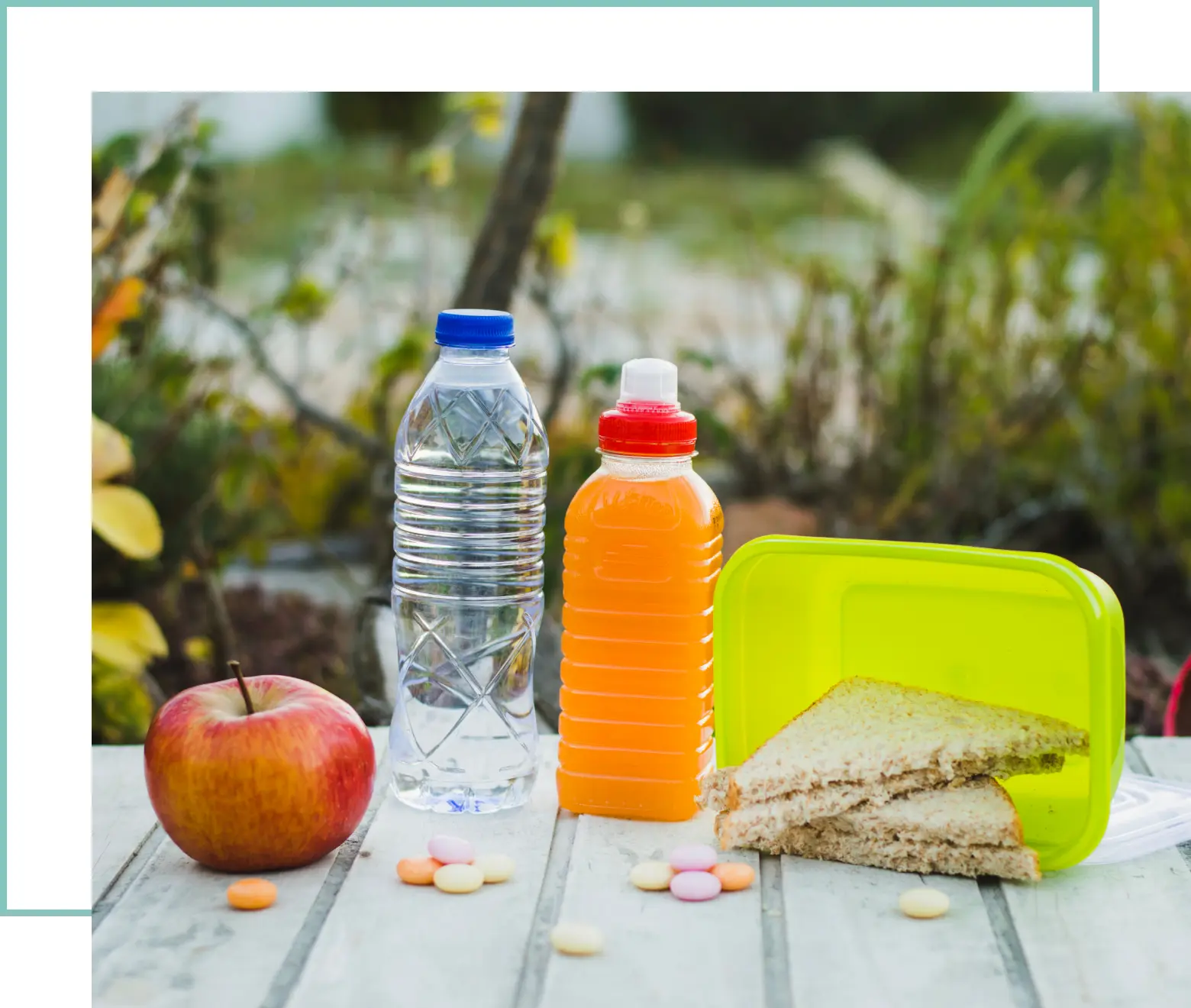
Polypropylene (PP) Polypropylene (PP) is a thermoplastic polymer widely used in various industries due to its versatility, durability, and cost-effectiveness. It is produced through the polymerization of propylene, a hydrocarbon derived from petroleum. Polypropylene is lightweight, resistant to chemicals, moisture, and fatigue, and has excellent insulating properties, making it ideal for a range of applications. Its semi-crystalline structure gives it a balance of flexibility and strength, suitable for both rigid and flexible products. This polymer is commonly used in packaging materials, automotive components, textiles, and household items. It can be easily molded into different shapes through processes like injection molding, extrusion, and blow molding. Additionally, polypropylene is recyclable, adding to its appeal in environmentally conscious industries. However, it has limitations, such as a lower resistance to UV light and poor performance at extremely high or low temperatures without additives.
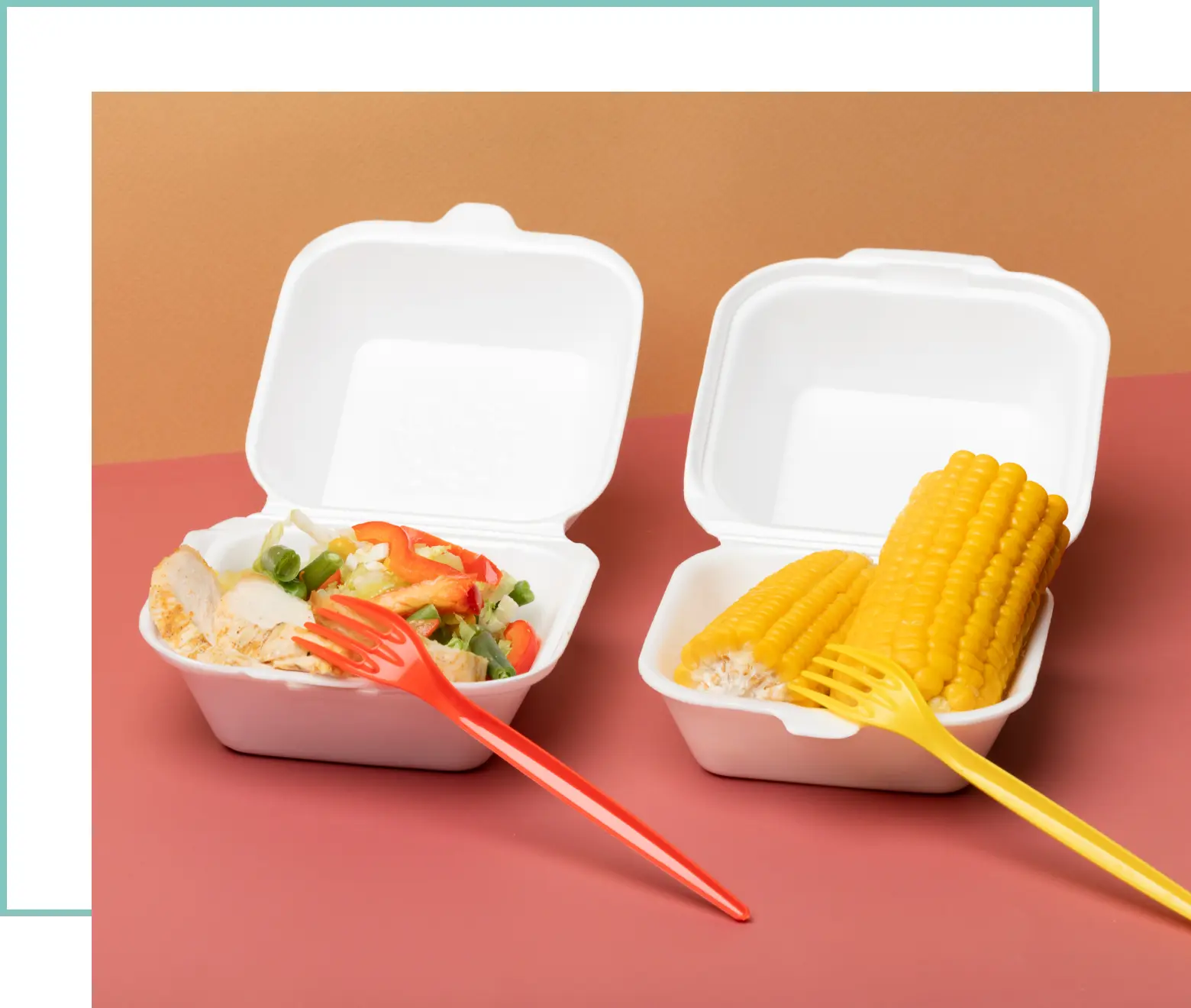
Polystyrene (PS) Polystyrene (PS) is a lightweight, rigid, and versatile thermoplastic polymer made from the polymerization of styrene, a liquid hydrocarbon. It is valued for its clarity, ease of molding, and low cost, making it a popular material in both consumer and industrial applications. Polystyrene comes in various forms, including solid plastic, foam, and expanded polystyrene (EPS), which is commonly known as Styrofoam. Its thermal and acoustic insulating properties, combined with its lightweight nature, make it particularly suitable for packaging and construction uses. In everyday life, polystyrene is used for disposable cups, food containers, insulation materials, and protective packaging. While it is durable and affordable, polystyrene is non-biodegradable and poses environmental challenges, especially when improperly disposed of. Efforts to improve recycling processes and develop alternatives are ongoing to address these concerns. Despite its environmental impact, polystyrene remains an essential material in industries requiring cost-effective and adaptable solutions.

Polyvinyl Chloride (PVC) Polyvinyl chloride (PVC) is a durable and versatile thermoplastic polymer made by polymerizing vinyl chloride monomers. It is one of the most widely used plastics, prized for its toughness, chemical resistance, and low cost. PVC can be formulated to be either rigid or flexible by adding plasticizers, making it suitable for a wide range of applications, from construction materials to consumer goods. Its inherent flame resistance and excellent electrical insulating properties further enhance its utility. Rigid PVC is commonly used in building and construction for pipes, window frames, and siding, while flexible PVC is used in products like cables, medical tubing, and flooring. PVC is highly durable and weather-resistant, making it ideal for long-lasting applications. However, its production and disposal raise environmental concerns, as it involves the release of harmful chemicals like dioxins. Advances in recycling and manufacturing processes aim to address these challenges, promoting safer and more sustainable use of PVC.